

By Melanie Stultz-Backus, PLL, Literacy Consultant
 Pied Beauty
By Gerard Manley Hopkins, 1877
Glory be to God for dappled things–
For skies of couple-color as a brinded cow;
For rose-moles all in stipple upon trout that swim;
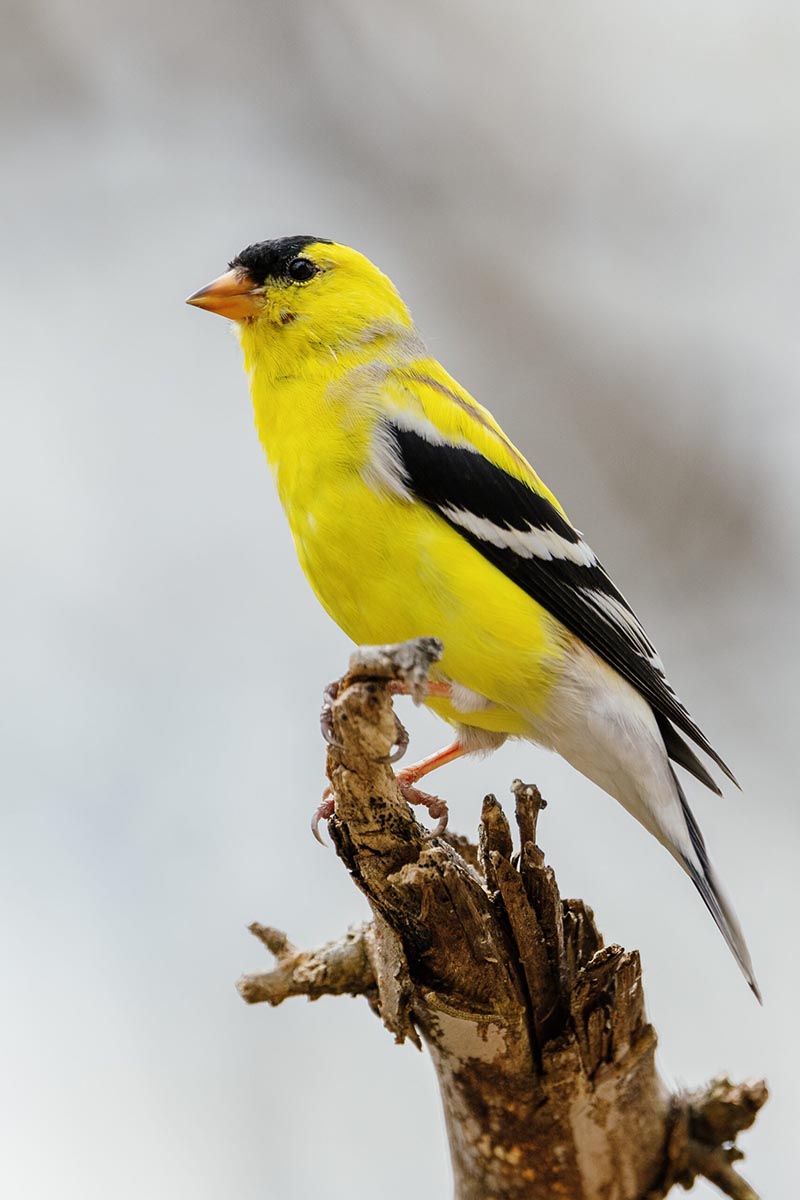
Fresh-firecoal chestnut-falls; finches’ wings;
Landscape plotted and pieced—fold, fallow, and plow;
And all trades, their gear and tackle and trim.
All things counter, original, spare, strange;
Whatever is fickle, freckled (who knows how?)
With swift, slow; sweet, sour; adazzle, dim;
He fathers-forth whose beauty is past change:
Praise him.
“Pied Beauty” presents a vision of the creative force that includes all things “counter, original, spare, strange.” How lovely to imagine one’s adventures in the classroom taking on such luster.
Jonathan Feinstein, a Yale economist, teaches popular classes about the development of creativity in human beings. In a 2008 article published in Innovations Manager, “The Nature of Creative Development,” he sets forth a description of what this notion means:
In the simplest terms, creative development unfolds in two main steps. In step one an individual forms a creative interest. In step two she explores her interest and develops it creatively – her interest spawns ideas, projects, and, ultimately, creative contributions.
When we are under pressure to come up with course syllabi, unit plans, learning targets, micro-progressions, and to align these elements with standards, creativity can be submerged. The obligations and requirements of covering content and standards pervade our minds to the exclusion of an authentic and organic flowering of creative teaching. We are tempted to use handy search engines to find immediate solutions to making plans for the coming week, month, quarter. Though at times the sharing and borrowing of lesson plans is expedient and necessary, disregarding innate creative forces admits a thief who robs teachers and their students of joy and fulfillment. In the making of all that is “swift, slow; sweet, sour; adazzle; dim,” it is the sacred variety of life, its opposites, its likenesses and its oddities, that feeds creativity. When we first conceived of the act of teaching, did we begin by imagining the dappled, stippled reality of multicolored thoughts and exchanges–of pied beauty? Even as inspiration propels us to develop, so too it influences our colleagues to nurture their own creativity.
Feinstein offers more descriptions of the development of creativity:
Creativity emerges and flowers out of a process of creative development – unfolding like the growth of a tree. By understanding the process of creative development, we can help ourselves and those around us become more creative. Ultimately, being creative is one of the most fulfilling elements of human life, and ideally our society should be a place where everyone can develop his or her distinctive creative interests, combined with his unique life experiences, to make contributions everyone benefits from. (my italics)
For teachers and students to flourish, for the shape of lessons to be strong and beautiful, we must look towards a collaborative nurturing of creativity; we must make room for our unique interpretation of content. Striving for the ideal—the development of “distinctive creative interests,” compels us to have greater courage as teachers, and will bring deeply satisfying experiences to us and to our students. The great tree of learning unfolds before us!
Melanie Stultz-Backus, M.Ed., Literacy Consultant for PLL
Melanie is a retired English teacher whose career spanned thirty years at Mount Abraham Union High School in Bristol, Vermont. She first worked as a Chapter I teacher of reading, collaborating in many classrooms across the disciplines in Grades 7-12; next, she taught an array of required and elective courses in grades 9-12. American Studies, a course in 20th century Literature, History and Culture she team-taught for over twenty years, was critical to her growth as a practitioner of collaborative teaching and performance based learning. Influenced by mentors from her high school and college years, she strove to make student agency central to her teaching. Mount Abraham’s early initiative of a school-within-a-school focused on both personalized learning and rigorous development of competencies and performance based assessments. Melanie was privileged to integrate her roles as teacher leader, literacy coach and English instructor into efforts to refine and forward the goals of the Performance Assessment Working Group under the Investing in Innovation (i3) grant through the Center for Secondary School Redesign (CSSR, Providence, RI). This culminating experience deepened her interest and expertise in authentic learning, the art of coaching, and cooperative approaches to professional development as exemplified by Critical Friends Groups’ philosophies. She treasured her twenty-year tenure as a member of the Coordinating Committee of the New England Young Writers’ Conference at Breadloaf. In 2008 Melanie was named a UVM Outstanding Teacher for the Addison Northeast Supervisory Union.
